The Essential Features of a Modern Learning Management System


Integrating technology into learning is no longer a luxury; it's a necessity. Traditional, one-size-fits-all methods are evolving into dynamic, personalised experiences. At the heart of this transformation is the Learning Management System (LMS)—a platform for delivering, tracking, and managing educational content. Choosing the right LMS is essential for meeting the diverse needs of learners and educators. This guide outlines the key features to prioritise when selecting a modern LMS to ensure an engaging and efficient learning environment.
Key Takeaways
- Adaptive Learning Pathways: Personalised experiences tailored to each learner's strengths and growth areas.
- AI-Powered Recommendations: Intelligent suggestions to keep learners engaged and progressing.
- eLearning Content Generation: Rapidly transform text and documents into interactive eLearning modules.
- Skills Analysis and Tracking: Monitor user competencies to inform training decisions and address gaps.
- Custom Forms for Personnel Management: Streamline administration with customisable forms for performance and HR data.
- Comprehensive eLearning Library: Access a broad, customisable library covering a wide range of topics.
- Smart Classrooms: Blend online and face-to-face learning with integrated booking and collaboration tools.
- Surveys and Quizzes: Use assessments to provide immediate feedback and adapt learning pathways.
Adaptive Learning Pathways
Modern LMS platforms create personalised pathways that adapt to each learner's unique needs. By leveraging performance data and preferences, the system aligns content with individual strengths. This ensures learners receive the most relevant instruction, significantly improving engagement and outcomes.
AI-Powered Recommendations
Modern LMS platforms use AI to offer personalised learning recommendations. By analysing learning patterns, the system suggests resources that have benefited similar users. This enriches the experience and encourages continuous growth by presenting relevant material tailored to the user's specific journey.

eLearning Content Generation
Generating high-quality eLearning content directly from text or documents is a significant advantage. For instance, Open eLMS AI features a text-to-learning tool that transforms written content into engaging modules. This allows educators to create interactive materials quickly, ensuring content delivery is both effective and appealing.
Skills Analysis and Tracking
A robust LMS includes comprehensive skills analysis, tracking user competencies to create a detailed matrix across the organisation. This data is invaluable for making informed decisions about training and roles. By identifying gaps, organisations can tailor programmes to ensure employees have the skills required to perform effectively.
Custom Forms for Personnel Management
Customisable forms are essential for effective personnel management. Use them to gather data on performance, training needs, and other HR information. Bespoke forms simplify administrative processes and maintain accurate records, enhancing efficiency. Integrating an online assessment platform (such as Assess) complements these forms, providing the tools needed to evaluate outcomes for a holistic approach to development.
Comprehensive eLearning Library
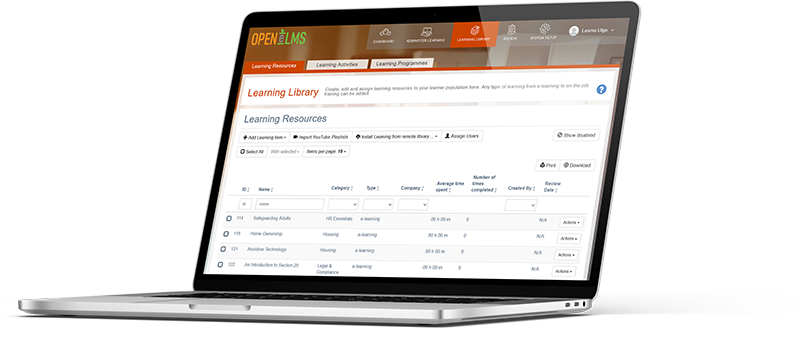
A modern LMS offers an extensive library covering a wide range of topics and skills. Consistent design across the library aids navigation, allowing organisations to tailor material to their specific needs and branding.

Smart Classrooms
Smart classrooms enhance the experience by blending online learning with face-to-face or webinar sessions. A full booking system—including a payments engine if required—manages sessions efficiently. Features like lesson recording, chat rooms, and collaborative whiteboards facilitate social learning, mirroring the benefits of a traditional classroom environment.
Surveys and Quizzes
Surveys and quizzes are indispensable for assessing understanding and ensuring learning objectives are met. They provide immediate feedback, highlighting successes and areas needing attention. Regular assessments maintain alignment with goals and allow for real-time adjustments to learning pathways.
Conclusion
Choosing the right LMS is critical to maximising the potential of training programmes. By focusing on features like adaptive pathways, AI recommendations, automated content generation, and robust skills tracking, organisations can provide a truly dynamic learning environment. Open eLMS exemplifies these capabilities, offering a cutting-edge solution for learners and educators. Review the functional specification here or register to have your branded site set up in seconds. Embracing these features will enhance the learning experience, drive better outcomes, and foster a culture of continuous development.
Enjoy this article?
Explore more insights on AI, eLearning, and training technology.
View All Articles