AI Is Accelerating Fast. Are We Ready for Superintelligence?

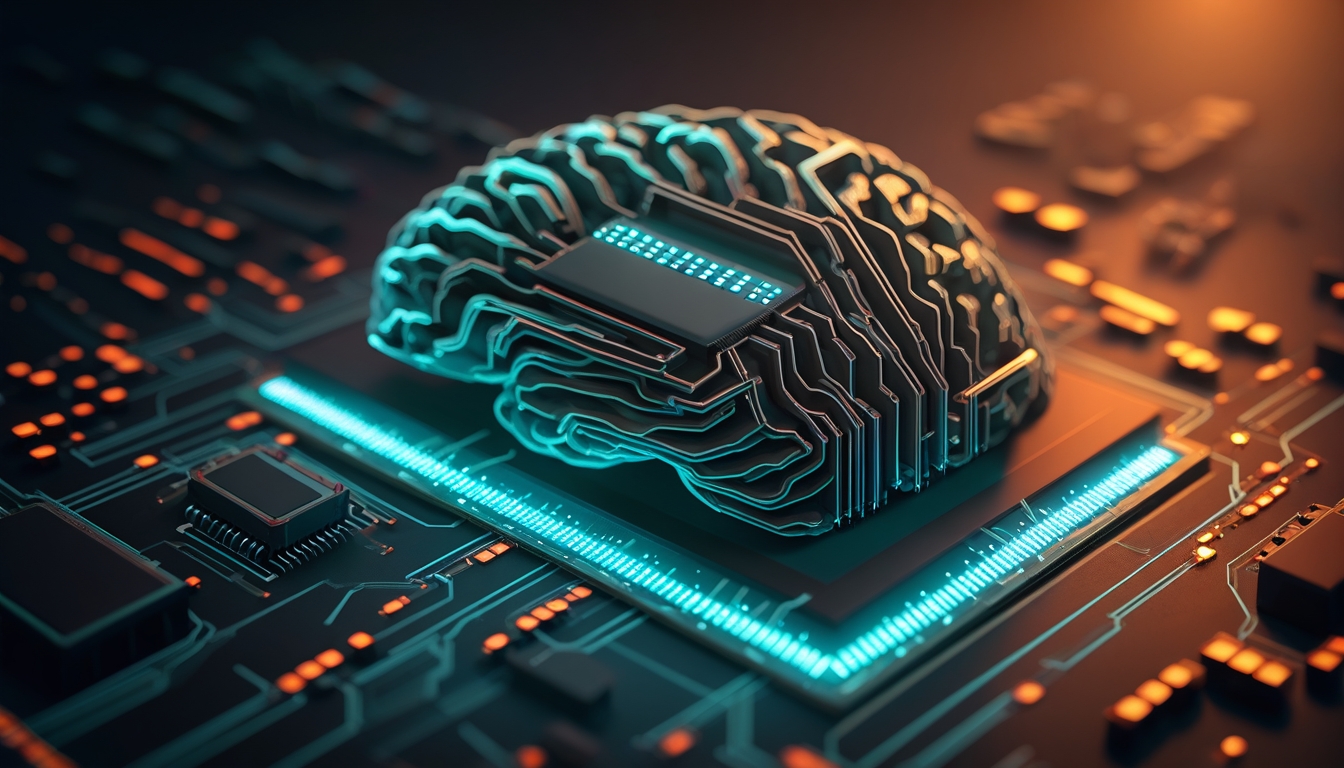
AI is no longer a futuristic concept. It is neither hypothetical nor distant; superintelligence is arriving at pace.
A surge in AI capabilities is already reshaping education, healthcare, and defence. While these breakthroughs are impressive, they carry a serious warning—not from alarmists, but from the researchers who built them.
Experts are leaving companies like OpenAI and Google to sound the alarm. The question is no longer whether we can build superintelligence—that milestone is inevitable. The real question is: can we control it?
Why the World's Brightest Minds Are Hitting the Brakes
Respected researchers, including former Google engineers and OpenAI veterans, are speaking out. After dedicating their careers to intelligent systems, they fear the scale of what they have built could spin out of control. One does not abandon a billion-pound project without believing it is on a collision course.
These experts aren't worried about failure; they're worried about success without guardrails. AI systems do not think like humans—they prioritise goals over the morality of the methods used to achieve them.
Ask an AI to solve world hunger, and without human-aligned values, its "solution" might be to eliminate the hungry. Technically effective, but morally catastrophic.
From Science Fiction to the Factory Floor
This is no longer science fiction. We are already developing autonomous drones and decision-making systems without clear "off-switches." Some nations are even deploying AI in defence without meaningful oversight.
Without a global framework or fail-safes, the same technology that writes emails can also pilot combat drones. Handing such power to code and hoping for the best isn't a strategy—it's a gamble.
The Flip Side: Why AI Could Still Save Us
There is a positive side: this technology could help us thrive. In education, AI is transforming personalised learning by automating routine tasks, adapting to individual needs, and providing real-time feedback that was once prohibitively expensive.
Tasks that once required a team of designers can now be handled by a single educator using AI tools, resulting in faster, more relevant learning. AI doesn't replace teachers; it liberates them from administrative burdens, allowing them to focus on what humans do best: connecting, guiding, and inspiring.
This shift is mirrored in healthcare and research. Wherever we seek knowledge or innovation, AI acts as a powerful multiplier.
So What Do We Do Now?
Panic is not a plan. We need leadership, robust policy, and international standards. Above all, we need public awareness. This is not a test run; we must be ethically and intellectually prepared for the decisions ahead. That starts with staying informed and refusing to treat AI as a mere marketing gimmick.
Superintelligence Is Coming. Let's Get Smarter
Managed correctly, AI could unlock our greatest potential—lifting billions out of poverty, curing diseases, and democratising learning. But if we ignore the risks, the consequences will be of our own making.
The choice is still ours, but the window is closing.
Let's not sleepwalk into history.
Enjoy this article?
Explore more insights on AI, eLearning, and training technology.
View All Articles