AI In the Classroom: A Free Guide for Teachers

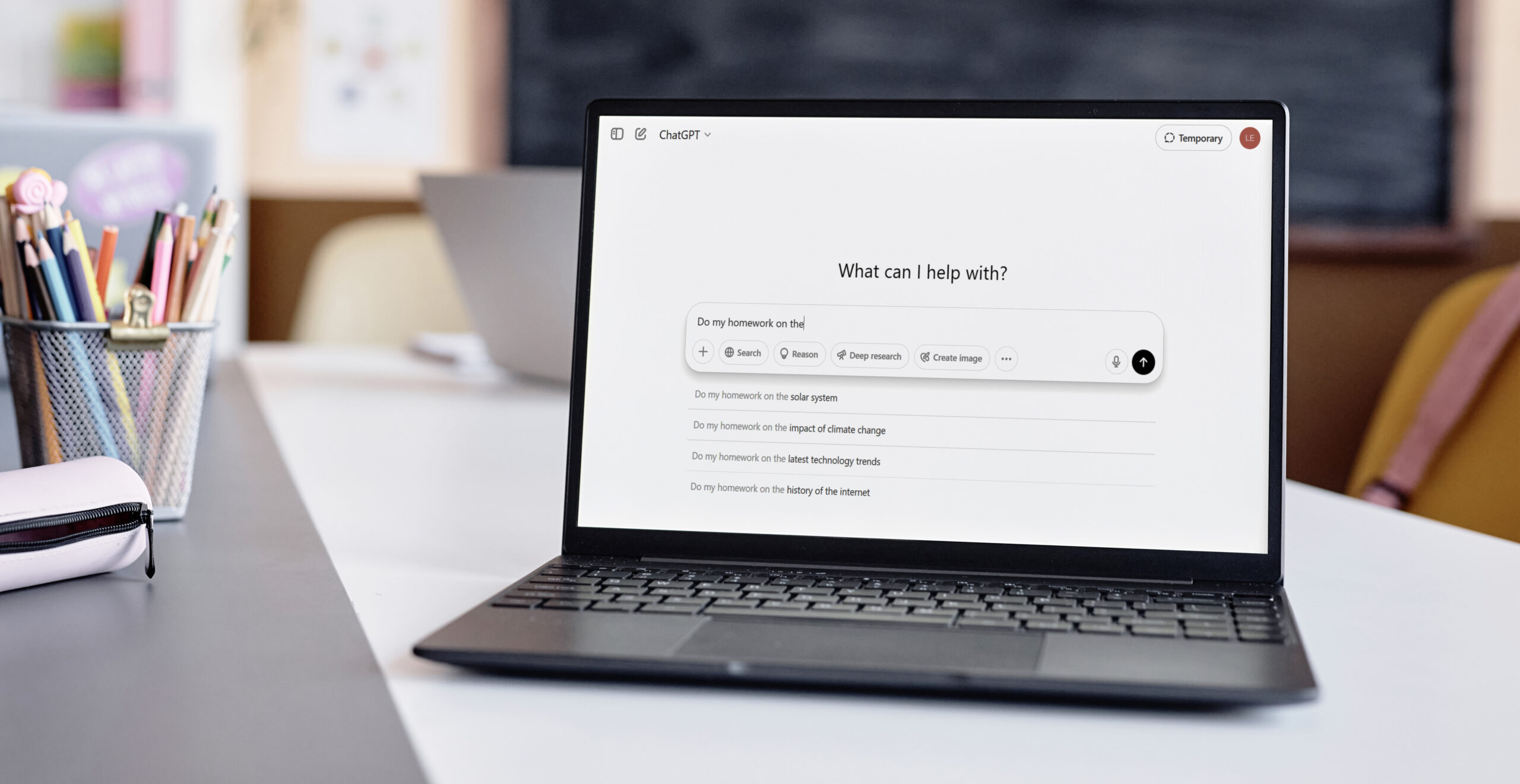
Artificial Intelligence is transforming education. While discussions often focus on the risks, AI offers immense potential when used responsibly. At Open eLMS, we believe the right tools and guidance can enhance teaching and learning in practical, meaningful ways.
Below, we explore how to introduce AI into the classroom, the opportunities it creates, and the responsibilities it entails. We also demonstrate how Open eLMS AI simplifies this process, providing a free course you can use immediately in your own learning platform.
Benefits of AI for Students and Teachers
AI significantly enhances the student experience by enabling adaptive learning pathways tailored to individual progress. These tools provide real-time feedback, suggest next steps based on performance, and support diverse learning styles, making content more accessible and engaging.
For teachers, AI reduces the burden of repetitive administrative tasks like grading objective assessments, tracking attendance, and managing communication. More importantly, AI provides insights into student progress, allowing for more targeted and effective interventions.
Top Online Tutors in the UK suggest that integrating AI into education not only personalises learning but also boosts student motivation through interactivity. AI tools help educators identify knowledge gaps early, enabling timely support that improves student outcomes. Ultimately, embracing AI fosters a more efficient and engaging environment for both students and teachers.
Crucially, AI should support both content delivery and the development of essential skills. Students should be encouraged to question AI-generated responses and think critically about the information provided. AI should be a prompt for inquiry, not just a shortcut to answers.
Tools, Integration, and Practical Use
A growing number of AI tools are available to schools, colleges, and universities. These include virtual tutors, automated lesson plans, text-to-speech accessibility features, and predictive analytics to identify students at risk of falling behind.
Effective AI integration requires selecting tools that complement existing teaching strategies. Start with clear goals: improving learning outcomes, reducing administrative workloads, or personalising instruction. AI works best when implemented with intent and supported by training.
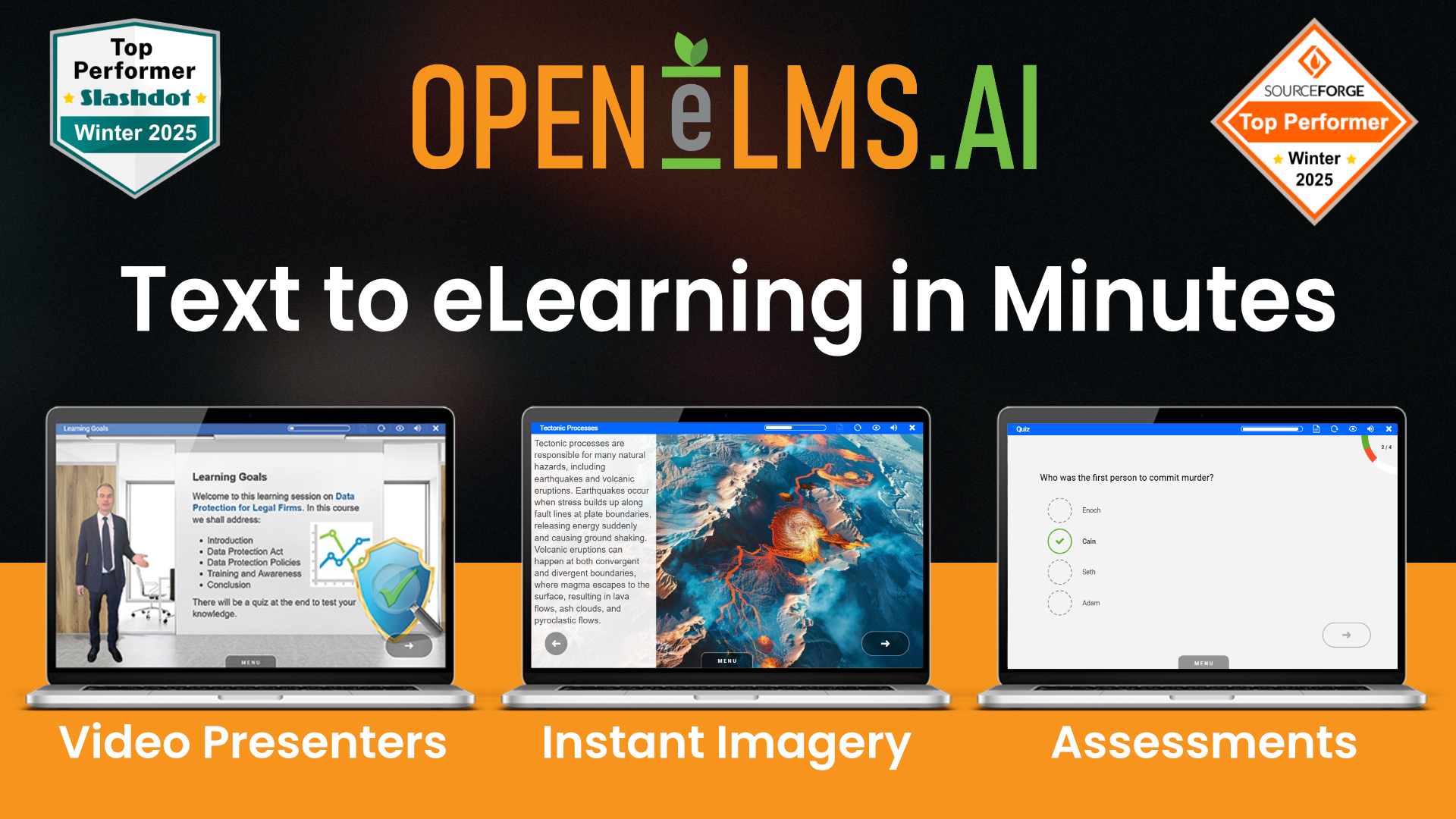
Open eLMS AI is designed for this purpose. Our platform allows educators to generate high-quality eLearning content automatically. Simply input a topic, and the AI builds a complete course structure—including learning objectives, narration, quizzes, and interactive elements. This empowers educators to deliver dynamic lessons with minimal effort, freeing up time for direct student engagement.
Ethical Considerations and Monitoring AI in the Classroom
While AI holds great promise, it must be introduced thoughtfully. Data privacy is a primary concern, requiring secure storage and processing of student information. There is also the risk of algorithmic bias, which can unintentionally reinforce inequalities if not carefully monitored.
Teachers and school leaders must maintain oversight of AI usage and its influence on decision-making. Transparency is essential; educators should understand how these systems work to ensure AI supports, rather than replaces, human judgment.
Finally, AI should never be a 'black box' in the classroom. Regular performance reviews, clear outputs, and open communication with students and parents are essential for ethical and effective use.
Open eLMS: Bridging the Gap Between AI and Education
At Open eLMS, we believe AI should empower educators, not overwhelm them. Our AI-driven authoring tool makes content creation fast, intuitive, and aligned with modern pedagogical needs.
Whether you are an academic, corporate trainer, or public sector educator, Open eLMS generates structured, media-rich content in minutes. Simply provide a topic, and the AI handles lesson planning, quizzes, narration, and accessibility, freeing you to focus on instructional strategy.
Your Free eLearning: AI in the Classroom: A Teacher’s Guide
To demonstrate this in practice, we have created a short course using Open eLMS AI titled "AI in the Classroom: A Teacher’s Guide." The course covers:
Applications of AI in teaching and learning
Benefits and opportunities for students and teachers
Encouraging critical thinking in an AI-supported classroom
Key ethical considerations
View the course here:
Create Your Own AI-Powered eLearning
This course was created in minutes using the Open eLMS AI authoring engine. To create your own eLearning material on any topic—from safeguarding to software skills—sign up for a free 14-day trial.
AI is reshaping how we learn and teach. With the right tools, educators can harness its power to create more effective, personalised, and inclusive learning experiences. I invite you to explore the possibilities, starting with this course.
Enjoy this article?
Explore more insights on AI, eLearning, and training technology.
View All Articles